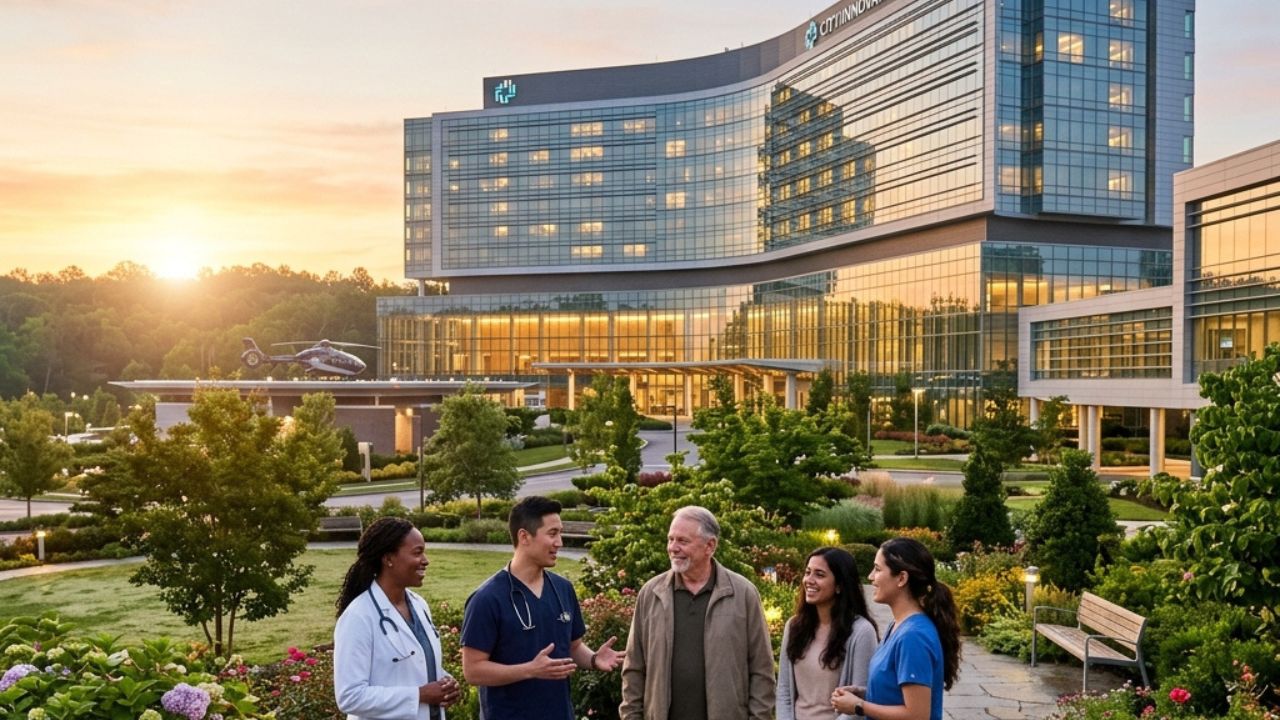
A cancer diagnosis often leaves patients and their families searching for the most effective, cutting-edge treatment options available. Standard treatments like chemotherapy, radiation, and surgery have saved countless lives, but they are not always sufficient for aggressive or late-stage cancers. This is where advanced cancer trials come into play. These trials offer a beacon of hope, providing access to groundbreaking therapies before they become widely available to the general public.
Navigating the landscape of clinical research can feel overwhelming. Patients must weigh various factors, from the specific type of cancer they have to the geographical location of the treatment center. Finding the right medical facility is a critical step in this journey, as top-tier hospitals offer unparalleled expertise, state-of-the-art technology, and comprehensive support systems.
This guide explores the best hospitals for advanced cancer trials in the United States. We will break down how clinical trials work, what to look for in a treatment facility, and highlight the institutions leading the charge in oncology research. By understanding these options, patients and their loved ones can make informed, empowered decisions about their healthcare.
Understanding Advanced Cancer Trials
What are advanced cancer trials?
Advanced cancer trials are research studies that test new medical approaches, medications, or technologies on patients. These studies are designed to evaluate the safety and efficacy of novel treatments, such as targeted therapies, immunotherapies, and personalized medicine. For patients with advanced or treatment-resistant cancers, these trials often represent the most promising pathway to new hope treatments.
Why are they important?
Clinical trials are the backbone of medical progress. Every standard cancer treatment used today was once part of a clinical trial. By participating in these studies, patients not only receive access to the latest therapies but also contribute to the broader scientific understanding of the disease. This research directly paves the way for future cures, improving survival rates and quality of life for millions of people worldwide.
Types of trials: Phase I, II, III
Clinical trials are conducted in phases to ensure safety and accurately measure effectiveness:
- Phase I: These trials test a new treatment on a small group of people for the first time. The primary goal is to evaluate safety, determine a safe dosage range, and identify side effects.
- Phase II: The treatment is given to a larger group of patients to see if it is effective and to further evaluate its safety.
- Phase III: These trials compare the new treatment against the current standard of care. They involve large groups of patients across multiple locations to confirm effectiveness, monitor side effects, and collect information that allows the treatment to be used safely.
Key Considerations When Choosing a Hospital
Expertise and Specialization
Not all hospitals are equipped to handle complex cancer trials. It is vital to seek out National Cancer Institute (NCI)-designated Comprehensive Cancer Centers. These facilities employ specialized oncologists who focus on specific types of cancer, ensuring a deep understanding of the disease’s nuances and the latest research developments.
Multidisciplinary Approach
Cancer care requires a team effort. The best hospitals utilize a multidisciplinary approach, bringing together medical oncologists, surgeons, radiation experts, pathologists, and genetic counselors. This collaborative environment ensures that every aspect of a patient’s diagnosis and treatment is reviewed from multiple expert perspectives.
Patient Support and Resources
Participating in a clinical trial can be physically and emotionally demanding. Top hospitals provide extensive support services, including patient navigators, financial counselors, psychological support, and nutritional guidance. These resources help alleviate the stress of treatment, allowing patients to focus entirely on their healing and recovery.
Top Hospitals for Advanced Cancer Trials in the USA
MD Anderson Cancer Center: Focus on novel therapies
Located in Houston, Texas, The University of Texas MD Anderson Cancer Center consistently ranks as one of the top cancer hospitals in the country. MD Anderson is renowned for its vast portfolio of clinical trials and its focus on novel therapies, particularly in the realm of immunotherapy and targeted gene therapy. Their research achievements have revolutionized the treatment of rare and complex cancers, making them a premier destination for patients seeking innovative care.
Memorial Sloan Kettering Cancer Center: Focus on patient-centered care
Memorial Sloan Kettering (MSK) in New York City is celebrated for its highly patient-centered approach to oncology. MSK offers a comprehensive program that seamlessly integrates clinical research with everyday patient care. They provide access to unique trials that cannot be found elsewhere, emphasizing treatments tailored to the individual genetic makeup of a patient’s tumor.
Mayo Clinic: Focus on cutting-edge technology
With major campuses in Minnesota, Arizona, and Florida, the Mayo Clinic is globally recognized for its collaborative research and cutting-edge technology. The Mayo Clinic Cancer Center excels in translating laboratory discoveries into clinical applications rapidly. Their international recognition draws patients from around the world, eager to participate in trials utilizing advanced imaging, precision medicine, and highly targeted radiation therapies.
Dana-Farber Cancer Institute: Focus on specific cancer types
Affiliated with Harvard Medical School in Boston, the Dana-Farber Cancer Institute is a leader in developing innovative treatments for specific cancer types, including leukemia, breast cancer, and melanoma. Dana-Farber’s dedication to meticulous research has led to exceptional patient outcomes and the development of multiple FDA-approved cancer drugs. Their trials heavily focus on minimizing the side effects of treatment while maximizing long-term survival.
Navigating the Trial Process
Eligibility and Screening
Before joining a clinical trial, patients must undergo a rigorous screening process. Researchers use specific criteria—such as age, gender, cancer type, previous treatment history, and overall health—to determine eligibility. This ensures that the trial is safe for the participant and that the study’s results will be accurate and scientifically valid.
What to Expect During a Trial
Once enrolled, patients receive care from a specialized research team. This team monitors the patient’s health closely through frequent check-ups, blood tests, and imaging scans. The process is often more highly structured than standard care, providing patients with an exceptional level of medical attention.
Potential Benefits and Risks
The primary benefit of a clinical trial is access to treatments that might be more effective than the current standard of care. Patients also receive expert medical care from leading healthcare professionals. However, there are risks involved. The new treatment may not be more effective than standard therapies, or it may cause unexpected side effects. Thoroughly discussing these risks with a healthcare provider is essential before making a commitment.
The Future of Cancer Treatment: Hope Through Research
Emerging trends in cancer research
The landscape of oncology is shifting rapidly. Emerging trends highlight the growing importance of CAR T-cell therapy, mRNA cancer vaccines, and artificial intelligence in predicting tumor behavior. Researchers are increasingly focusing on the microenvironment of tumors, discovering new ways to strip cancer cells of their defenses so the body’s immune system can destroy them.
The impact of trial participation
Every major breakthrough in cancer care is the direct result of clinical trial participation. Patients who volunteer for these studies are pioneers, driving the science forward. Their participation not only offers them a chance at a better outcome but also leaves a lasting legacy that will benefit future generations facing similar diagnoses.
Empowering Patients on Their Journey to New Hope
A cancer diagnosis brings immense challenges, but the continuous advancements in clinical research offer unprecedented avenues for healing. By understanding the mechanics of advanced cancer trials and identifying the top hospitals that conduct them, patients can take an active role in their treatment plans.
If you or a loved one are exploring advanced treatment options, start a conversation with your oncologist about clinical trials. Research the NCI-designated cancer centers in your region and reach out to their patient navigation teams. Knowledge is a powerful tool in the fight against cancer, and pursuing the right clinical trial could be the key to unlocking new hope.